Bridge Experience and Innovation at Work

Explore workplace programs for cross-age skill transfer and knowledge retention that connect seasoned experts with rising professionals, transforming hard-won experience into shared momentum. Discover designs, rituals, and tools that protect tacit know-how, accelerate onboarding, reduce operational risk, and invite meaningful collaboration across generations, departments, schedules, and sites. Share your own experiences in the comments and subscribe for upcoming playbooks, templates, and interviews that keep momentum growing.

From Silos to Shared Strengths

Many organizations unintentionally isolate wisdom by seniority or role. Breaking those walls reveals complementary strengths: pattern recognition, historical context, and stakeholder savvy meeting fresh tools, curiosity, and bold experimentation. Well-crafted programs choreograph frequent, safe exchanges so everyone teaches, everyone learns, and valuable knowledge moves fluidly where it is needed most.

Structured Mentorship Ladders

Create tiered mentorship paths that pair veterans with mid-career guides and early‑career learners, clarifying goals, cadence, and outcomes. Rotating roles prevent dependency, while shared artifacts—checklists, demos, and annotated screenshots—turn conversations into retrievable assets that persist beyond turnover, vacations, or shifts.

Reverse Mentoring That Elevates Everyone

Invite newer colleagues to coach on automation shortcuts, accessibility, and emerging customer expectations. When senior staff become learners, status barriers soften, and experiments flourish. Capture both perspectives in brief debriefs, highlighting trade‑offs, exceptions, and security considerations that commonly block adoption, so ingenuity scales safely across teams.

Shadowing and Microlearning Sprints

Blend live shadowing with microlearning challenges that require applying observed techniques within twenty‑four hours. Tiny wins encode memory. Assign a rotating “curious reporter” to document insights, pitfalls, and workarounds, then convert notes into searchable cards, video clips, and checklists people can reuse when pressure rises or context changes.

Knowledge Maps and Risk Heatmaps

Facilitate workshops where teams list critical processes, dependencies, and failure points, then rate impact and likelihood. The resulting heatmap guides which skills to transfer first. Link each hotspot to named experts, examples, and artifacts, creating a living index that accelerates onboarding and reduces single‑point‑of‑failure exposure.

Stories, Playbooks, and After‑Action Reviews

Short, structured narratives reveal why steps matter, not just what happens. Capture context, cues, and countermeasures in playbooks that evolve after each project or incident. Regular after‑action reviews reinforce humility, normalize learning, and convert surprises into updates, checklists, and scenarios that sharpen collective performance under real constraints.

Communities of Practice With Purpose

Gather peers around shared capabilities, not job titles, and give meetings a clear rhythm: live demo, case critique, and next experiment. Public commitments build follow‑through, while rotating facilitation spreads ownership. Archive outputs where work happens, ensuring insights resurface during planning, handoffs, emergencies, and performance reviews.

Tools That Make Transfer Effortless

Technology should shorten the distance between a problem and the person who solved it before. Choose tools that fit daily workflows, encourage bite‑sized contributions, and surface trustworthy answers quickly. Prioritize accessibility, governance, and security, so sharing knowledge strengthens, rather than jeopardizes, compliance, safety, and customer trust.

Measuring What Matters

Great intentions need evidence. Track momentum early, then broaden into outcomes. Mix qualitative stories with quantitative signals to capture what dashboards miss. Measurements should improve decisions, not punish learners, spotlighting where to invest, simplify, or celebrate so people keep participating enthusiastically rather than gaming the process.

Culture That Welcomes Every Generation

Programs thrive when respect, curiosity, and safety guide daily decisions. Normalize asking for help, value patient coaching, and protect time for learning. Address ageism and burnout openly. Ritualize gratitude and peer recognition so contributors feel seen, while newcomers trust they can practice, err, and grow visibly.

Psychological Safety in Daily Routines

Open with check‑ins, clarify intents, and make space for questions before commitments. Establish norms for note‑taking, screen‑sharing, and pausing work to verify steps. When mistakes happen, examine systems, not personalities, and publicly document what will change so confidence rebounds and participation remains generous.

Manager Enablement and Role Modeling

Equip leaders to prioritize learning by allocating capacity, removing blockers, and celebrating curiosity. Coach them to ask better questions, pair intentionally, and share their own gaps. When managers learn out loud, status differences shrink, signaling permission for cross‑age collaboration to flourish naturally during busy, unpredictable weeks.

Recognition That Reinforces Learning Loops
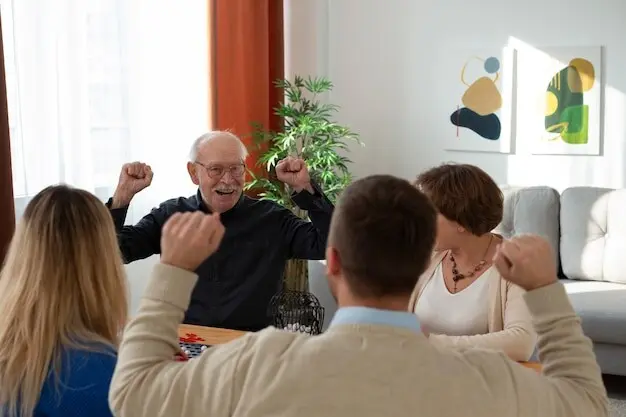
Highlight behaviors, not heroics: great questions, patient demos, and reusable documentation. Offer small, frequent acknowledgments tied to specific artifacts or measurable improvements. Invite peers to nominate helpers anonymously, widening visibility. Recognition should sustain generosity without breeding competition, ensuring motivation remains collaborative rather than transactional or performative.

Your First 90 Days

Start small, learn fast, and invite broad ownership. In three months you can align sponsors, map critical skills, launch a pilot, and produce early wins. Keep feedback loops tight, document trade‑offs, and prepare governance so momentum survives leadership changes, audits, or shifting market pressures.
Temidarivaro
Privacy Overview

This website uses cookies so that we can provide you with the best user experience possible. Cookie information is stored in your browser and performs functions such as recognising you when you return to our website and helping our team to understand which sections of the website you find most interesting and useful.